
?? Quick Answer
If your bathtub repair keeps failing, it’s usually because DIY kits only cover the surface but don’t eliminate underlying rust, moisture, or bonding issues.
? The result: peeling, cracking, and stains coming back within weeks.
? For a durable fix, proper surface treatment + professional coating is required.
? Why Your Bathtub Repair Looks Good… Then Fails Fast
At first, your DIY repair may look perfect:
- Smooth patch
- Clean white finish
- Rust hidden
But after a few showers:
- The surface starts to peel
- Yellow or brown stains reappear
- The patch becomes rough or soft
? This happens because the real problem was never fully solved
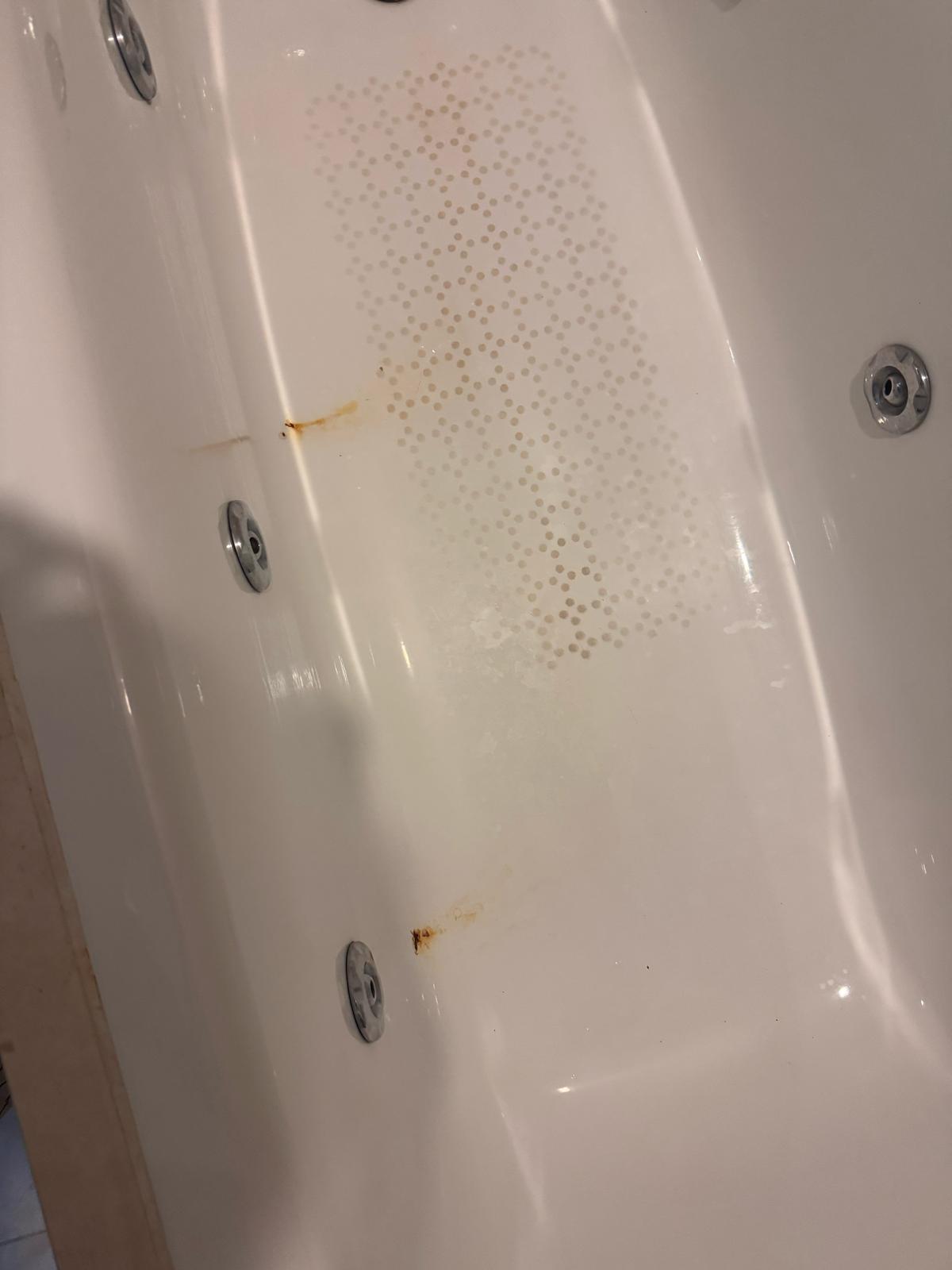
? What’s Really Happening Beneath the Surface
1. ? Weak Bonding to the Bathtub Surface
DIY kits rely heavily on:
- Basic adhesives
- Minimal preparation
If the surface isn’t treated properly:
- The coating sits “on top” instead of bonding
- Water slowly breaks the adhesion
? Result: peeling and lifting edges
2. ? Rust Is Still Alive Underneath
This is the #1 hidden issue.
Even a tiny amount of rust:
- Spreads under the coating
- Reacts with moisture
- Pushes the repair layer outward
? That’s why stains “bleed through” again so quickly
3. ? Daily Water Exposure Breaks DIY Repairs
Bathrooms in Singapore face:
- High humidity
- Frequent water splashes
- Hot and cold temperature changes
DIY materials:
- Are not industrial waterproof coatings
- Cannot withstand long-term exposure
? This leads to cracking and bubbling
4. ? Uneven or Thick Putty Application
Many homeowners:
- Apply too much filler
- Don’t level the surface properly
? This creates:
- Weak internal structure
- Air pockets
- Uneven curing
Result: the patch cracks under pressure
5. ? Colour Coating Is Only Cosmetic
Most kits focus on:
- Making the tub look white again
But:
- They don’t reinforce the damaged area
- They don’t protect against corrosion
? Looks good short-term, fails long-term
?? Common DIY Bathtub Repair Mistakes
Avoid these if you’re attempting DIY:
- Skipping rust removal step
- Not drying the area completely
- Applying coating too quickly
- Using cheap or incompatible products
- Using the bathtub too soon after repair
? Even one mistake can shorten lifespan drastically
? Is There a “Better” DIY Method?
? Improved DIY Approach (Still Temporary)
If you want a stronger DIY attempt:
Steps:
- Deep sanding to bare surface
- Apply rust neutraliser
- Use high-quality epoxy filler
- Sand smooth after curing
- Apply multiple thin coating layers
- Allow full curing time (48 hours)
? This can extend lifespan slightly, but won’t match professional results
? The Most Reliable Way to Fix a Damaged Bathtub
? Professional Spot Repair
- Remove damaged section completely
- Treat rust at source
- Rebuild surface with strong filler
- Seal with durable coating
? Best for isolated damage
? Full Bathtub Resurfacing (Top Recommendation)
- Entire tub is refinished
- Old coating removed or stabilised
- Industrial spray coating applied evenly
? Benefits:
- Like-new appearance
- Seamless finish
- Long-lasting protection (5–10 years)
? When Replacement Is Needed
Only in cases where:
- Rust has eaten through metal
- Structural integrity is compromised
? Otherwise, resurfacing is usually sufficient
? Pro Tip: Why Professional Work Lasts Longer
Professionals don’t just “cover” the problem — they:
- Eliminate rust completely
- Use bonding primers
- Apply controlled spray coatings
- Ensure proper curing conditions
? That’s why the finish is smoother and far more durable
? DIY vs Professional – What’s the Real Cost?
| Option | Initial Cost | Repeat Repairs | Long-Term Value |
|---|---|---|---|
| DIY Kit | Low | High | Poor |
| Professional Repair | Medium | Low | High |
| Resurfacing | Higher | Minimal | Best |
? DIY often becomes more expensive over time due to repeated fixes
? Related Services
You may also want to check:
- Bathtub Resurfacing
- Toilet Waterproofing Solutions
- Spalling Concrete Repair
- Silicone Sealant Renewal
- Ceiling Leak Repair
? Solving surrounding issues helps prevent future damage
? Frequently Asked Questions (FAQ)
1. Why does my bathtub repair turn yellow?
Due to water exposure, poor-quality coating, or underlying rust.
2. Can I redo the repair over the old patch?
Not ideal — old layers must be removed for proper bonding.
3. How long should a proper repair last?
A professional repair can last several years (5–10 years).
4. Is resurfacing messy?
No — professionals use controlled methods to minimise disruption.
5. Can rust be completely removed?
Yes, with proper tools and treatment.
6. Is DIY worth trying?
Only for very small, temporary fixes.
? Final Thoughts
If your bathtub repair keeps failing, the issue isn’t the product —
? It’s the method and underlying condition.
Stop repeating short-term fixes and switch to a long-lasting solution that actually works.
? Call 9reno to Help
? Sick of your bathtub repair peeling again and again?
? WhatsApp 9reno now for professional bathtub repair & resurfacing
? Smooth, durable finish
? Rust properly treated
? Reliable service across Singapore
? Further Reading
bathtub repair peeling, bathtub patch not lasting, diy bathtub repair failure, bathtub rust coming back, bathtub resurfacing singapore, tub repair singapore, bathroom repair service, 9reno bathtub fix, bathtub coating peeling, repair bathtub singapore
Leave a Reply